Contractor’s Guide to Fire Prevention and the Role of Hardscapes

Wildfire risk is no longer a concern limited to the western states. As fire seasons grow longer and more unpredictable across the country, homeowners in nearly every region are paying closer attention to how their landscapes can either contribute to or help mitigate fire spread.

For contractors, that shift represents both a responsibility and an opportunity — the chance to design and install outdoor spaces that are beautiful, functional, and genuinely safer.

Here’s what you need to know to have informed conversations with clients, spec the right materials, and deliver fire-conscious hardscape designs that hold up under scrutiny.

Why Hardscapes are Central to Fire Prevention

Fire moves through landscapes by consuming fuel — dry vegetation, wood, mulch, debris. The more combustible material surrounding a structure, the greater the risk that embers or direct flame can ignite the building. Hardscaping disrupts that fuel chain.

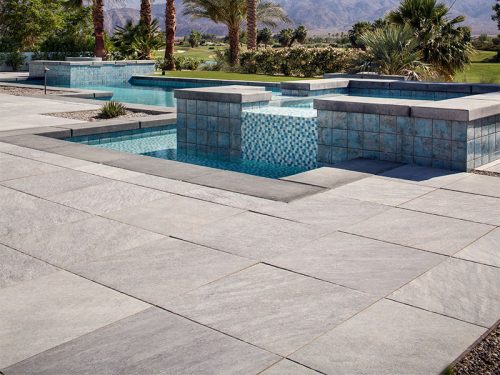
Non-combustible surfaces like concrete pavers, natural stone, gravel, decomposed granite, and retaining walls do not burn. When properly installed around a structure, they create what fire experts and land management agencies call a defensible space — a buffer zone that slows or stops fire from reaching the home and gives firefighters safer conditions to defend the structure.

This isn’t just best practice. In many high-risk regions, it’s increasingly codified. Fire management agencies across the country recommend, and in some areas require, that the zone immediately surrounding a home — often referred to as Zone 0, the first five feet — be free of combustible organic materials and replaced with hardscapes: pavers, gravel, decorative stone, or concrete. Your ability to design and install those zones correctly puts you in a strong position as more homeowners and jurisdictions take fire mitigation seriously.

The Defensible Space Framework: What Contractors Should Know

Defensible space is typically broken into layered zones radiating out from the structure. While exact requirements vary by jurisdiction, the general framework is consistent:

ZONE 0 (0-5 feet from the structure)
This is the most critical ignition-prevention zone. Wind-driven embers — the primary cause of home ignition during wildfires — accumulate closest to the structure. The goal here is zero combustible material. Organic mulch, wood chips, bark, and dense vegetation all represent ignition risk. Hardscape is the answer: pavers, flagstone, gravel, or concrete should fill this zone entirely. No exceptions.

ZONE 1 (5-30 feet from the structure)
This zone focuses on fuel reduction rather than fuel elimination. Low-growing, fire-resistant plants with good spacing, pruned trees with canopy clearance from the ground, and strategic placement of hardscape elements — patios, walkways, retaining walls — help interrupt the continuity of vegetation and reduce the likelihood that fire can travel toward the structure in an unbroken line of fuel.

ZONE 2 (30-100 feet from the structure)
This outer zone focuses on reducing vegetation density and managing fuels to slow fire’s approach. Hardscapes play a supporting role here — paths, steps, and walls that separate planted areas and reduce large unbroken expanses of vegetation.

Understanding these zones helps you position hardscape installations not just as aesthetic choices, but as strategic components of a fire-safe landscape plan.

Hardscape Materials and Their Fire-Prevention Value

Not all hardscape materials perform equally in a fire-prevention context. Here’s how common materials stack up:

CONCRETE PAVERS
One of the most versatile and effective options for defensible zones. Non-combustible, durable, and available in a wide range of styles that complement almost any architectural aesthetic. Excellent for patios, walkways, driveways, and the immediate perimeter around structures.

NATURAL STONE (Flagstone, Bluestone, Slate, Granite)
This zone focuses on fuel reduction rather than fuel elimination. Low-growing, fire-resistant plants with good spacing, pruned trees with canopy clearance from the ground, and strategic placement of hardscape elements — patios, walkways, retaining walls — help interrupt the continuity of vegetation and reduce the likelihood that fire can travel toward the structure in an unbroken line of fuel.

GRAVEL AND DECOMPOSED GRANITE
This outer zone focuses on reducing vegetation density and managing fuels to slow fire’s approach. Hardscape plays a supporting role here — paths, steps, and walls that separate planted areas and reduce large unbroken expanses of vegetation.

RETAINING WALLS (Stone, Concrete Block, Brick)
This outer zone focuses on reducing vegetation density and managing fuels to slow fire’s approach. Hardscape plays a supporting role here — paths, steps, and walls that separate planted areas and reduce large unbroken expanses of vegetation.

PERMEABLE PAVERS
This outer zone focuses on reducing vegetation density and managing fuels to slow fire’s approach. Hardscape plays a supporting role here — paths, steps, and walls that separate planted areas and reduce large unbroken expanses of vegetation.

Incorporating Fire Prevention Into Your Client Conversations

You don’t need to be a fire mitigation specialist to have these conversations — you just need to understand the principles well enough to incorporate them into your design process and know when a client’s situation calls for deeper expertise.

A few practical talking points:

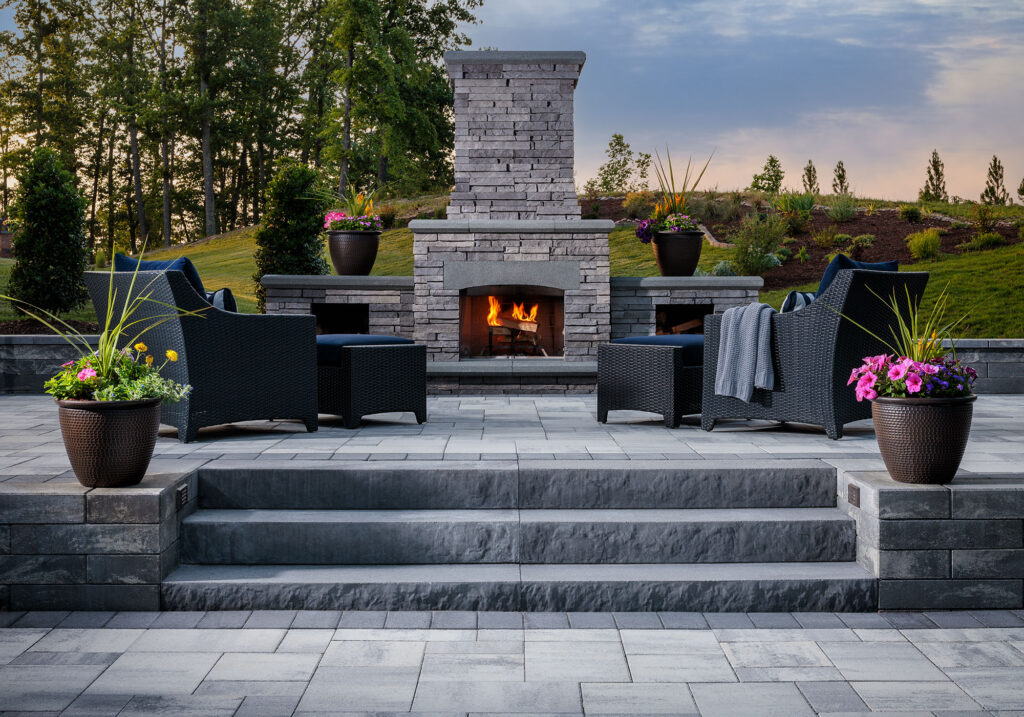
  • Lead with value, not fear. Fire-conscious hardscape design isn’t about telling clients their home is at risk — it’s about delivering better, smarter outdoor spaces that serve multiple functions. A well-designed patio with a gravel perimeter, stone walkways, and a non-combustible fire pit surround is simply a better design.
  • Upsell through education. Clients who understand why a gravel border around the foundation or a flagstone transition between lawn and planting bed matters are more likely to invest in the full scope of work rather than cutting corners.
  • Know your regional context. Fire risk and related regulations vary significantly by geography. In high-risk regions, clients may be subject to inspections and requirements — knowing those requirements positions you as an informed resource rather than just a contractor.

A Note on Fire Pit Design

Fire pits are one of the most requested features in residential hardscape design — and when done correctly, they’re both beautiful and safe. Key considerations:

  • Position fire pits at least 10–15 feet from structures, trees, fencing, and overhead obstructions. Some guidelines recommend a minimum of 25–30 feet in higher-risk environments
  • Surround fire pits with non-combustible hardscape — stone, pavers, or gravel — for a minimum of several feet in all directions.
  • Specify fire-rated materials for the fire pit itself. Standard pavers may crack under sustained heat; refractory brick and fire-rated products are built to handle the thermal load.
  • Ensure there’s clear, clean access around the fire pit and no overhanging vegetation or structures within the ember radius.

The Bottom Line

Hardscapes have always been about creating durable, beautiful, functional outdoor spaces. Fire prevention adds another layer to that value proposition — one that’s increasingly relevant for clients across the country. The contractors who understand the principles of defensible space, can spec materials intelligently, and bring that knowledge into their client conversations will be better positioned as the conversation around fire-conscious design continues to grow.

Stop in and talk to us about what you’ve got coming up. We’re here to help you get the job done right.

Visit our Brands page to find a store near you.

Contractor’s Guide to Mulch and Pine Straw

Mulch and pine straw are staples of residential and commercial landscape installs — and for good reason. They’re efficient, cost-effective, and make a finished job look sharp. But not every product is right for every application, and knowing the differences between what’s available can save you time, callbacks, and material waste. Here’s what you need to know to spec the right product for the job.

Why Ground Cover is Worth Getting Right

Clients notice ground cover — it’s one of the most visible parts of a finished install. Beyond aesthetics, the right product choice directly impacts performance and longevity:

  • Moisture retention: Reduces irrigation demand and helps newly installed plants establish faster.
  • Weed suppression: A properly applied layer reduces callbacks and keeps beds looking clean between maintenance visits.
  • Root zone protection: Ground cover insulates plant roots from summer heat and winter cold.
  • Soil improvement: Organic materials break down over time, enriching the soil and feeding your plants naturally.
  • Finished Appearance: A well-mulched bed looks intentional, clean, and well cared for.

Mulch Products: Know What You’re Installing

Understanding the differences between mulch products helps you match the right material to the right job — and helps you have informed conversations with clients about what they’re getting.

Shredded Hardwood Bark Mulch
Shredded hardwood mulch is one of the most common and versatile options for residential landscapes. It’s made from chipped and shredded hardwood bark, creating irregular pieces that interlock and stay in place well — even on slopes. It breaks down over time to improve soil quality and is a solid choice for most planting beds.

Triple Shredded Mulch
Triple shredded mulch goes through the shredding process three times, resulting in a finer, more uniform texture. The smaller particle size gives it a clean, refined appearance and allows it to knit together more tightly — which means better weed suppression and less displacement from rain or foot traffic. It’s a great choice for high-visibility areas like front yard beds and entryways where appearance really counts.

Pine Bark Nuggets
Pine nuggets (also called pine bark nuggets) are chunky, rounded pieces of pine bark. Because of their larger size, they allow excellent airflow and drainage — making them a favorite for plants that prefer well-drained soil, like azaleas, rhododendrons, and other acid-loving shrubs. They break down more slowly than shredded hardwood, so you won’t need to replenish them as often. Keep in mind that their weight and size can make them prone to washing out in heavy rain or on steep slopes.

Color Options: 

Most shredded and triple shredded products are available in Natural (Undyed) and Dyed. Color is largely a client preference and design decision, but here’s what to know from an installation standpoint:

Natural (Undyed)

Natural mulch is simply processed wood or bark with no added dye. It has a warm, earthy brown tone that blends seamlessly with any landscape. Over time it will fade and gray as it weathers — this is completely normal and can be refreshed with a new top layer each season. It’s the most “neutral” choice and works well in any style of landscape.

Dyed Mulch (Red, Black & More!)
Dyed mulch is a popular choice for homeowners who want a more polished, intentional look. Colors vary by location and supplier, but red and black are the most common — red for a bold, high-contrast look that makes beds pop, and black for a sleek, modern appearance that works especially well in contemporary landscapes. Both create strong contrast against green foliage and colorful blooms.

The dye holds well but will fade with UV exposure over time — a light annual refresh keeps beds looking their best. When purchasing, look for products that use colorfast, non-toxic dyes.

Pine Straw: Efficient, Versatile, and Underutilized in Some Markets

Pine straw is a staple in many markets — particularly across the Southeast — and for good reason. It’s fast to install, performs well in a wide range of conditions, and clients who know it tend to request it specifically. If you’re not already working with it regularly, it’s worth adding to your material repertoire.

Here’s why pine straw deserves a place in your yard:

  • Fast to spread: Lightweight bales cover ground quickly. Experienced crews can move through pine straw installs efficiently.
  • Excellent on slopes: The interlocking needles resist washing and displacement far better than most mulch products — a significant advantage on graded or sloped sites.
  • Right for acid-loving plants: As it decomposes, pine straw slightly acidifies the soil — beneficial for azaleas, camellias, blueberries, hollies, and similar plants.
  • Slower decomposition: Breaks down more slowly than shredded hardwood, which can extend time between maintenance applications.
  • Clean, natural appearance: Works especially well in naturalistic plantings, woodland gardens, and traditional residential landscapes.
Application Guidelines
Getting the depth right matters. Too little and you lose weed suppression; too much and you risk moisture issues or root zone problems.
  • Shredded and triple shredded mulch: 2–3 inches for established beds. 3 inches for new installs where weed pressure is higher.
  • Pine nuggets: 2–3 inches. Avoid over-applying as the chunky texture can create air pockets that dry out roots.
  • Pine straw: 3–4 inches. The looser, more porous nature of the needles means you need a bit more depth to achieve equivalent weed suppression.
  • Keep mulch away from tree trunks and plant crowns: Pull back 2–3 inches from the base of trees and shrubs. Volcano mulching is one of the most common mistakes on residential installs and causes long-term damage to plants.
Quick Spec Guide: Matching Product to Application
  • High-end residential or commercial — presentation is priority: Triple shredded, black or red depending on design direction.
  • Standard residential installs:Shredded hardwood, natural or color per client preference.
  • Sloped or graded sites: Shredded hardwood or pine straw. Avoid nuggets.
  • Acid-loving plant beds: Pine nuggets or pine straw.
  • Large installs where speed matters: Pine straw for fast coverage; triple shredded for efficiency when appearance is critical.
  • Maintenance programs where longer intervals are preferred: Pine nuggets or pine straw for slower breakdown and less frequent replenishment.

Handling Common Client Quetions:

Is dyed mulch safe?”
Quality dyed mulch products use non-toxic, colorfast dyes that are safe for plants, people, and pets. Reassure clients and steer toward reputable products — cheap bulk mulch can use lower-quality materials and dyes that don’t hold as well or may contain contaminants.

Does mulch attract termites?”
A common concern, especially near foundations. Wood-based mulch can provide habitat for insects, but the risk is manageable with proper installation. Keep mulch pulled back 6 inches from the foundation and avoid over-applying near structures. Pine straw and pine nuggets are generally considered lower risk than hardwood mulch.

How often will this need to be refreshed?”
Most homeowners refresh mulch once per year — typically in spring before the growing season kicks in. Over time, organic mulch breaks down and enriches the soil, so you’re not just maintaining appearances, you’re also feeding your landscape.

Come See What We Have in Stock

We stock a full range of mulch and pine straw products — shredded hardwood, triple shredded, pine nuggets, and pine straw, in natural, red, and black where applicable. Our team knows the products and can help you match the right material to your job specs.

Stop in and talk to us about what you’ve got coming up. We’re here to help you get the job done right.

Visit our Brands page to find a store near you.

Homeowner’s Guide to Mulch and Pine Straw

A fresh layer of mulch or pine straw can transform your yard almost overnight. It frames your plants, suppresses weeds, retains moisture, and gives your landscape that polished, finished look. But walk into any landscape supply store and you’ll quickly realize there are more options than you might expect — different materials, textures, colors, and purposes. This guide will walk you through what’s available so you can choose the right product for your yard and your goals.

Why Mulch and Pine Straw Matter
Beyond appearance, ground cover products do important work in your landscape:

  • Moisture retention: Mulch and pine straw slow evaporation, meaning less watering and lower water bills.
  • Weed suppression: A proper layer blocks sunlight and makes it harder for weed seeds to germinate.
  • Temperature regulation: Ground cover insulates plant roots from summer heat and winter cold.
  • Soil health: Organic materials break down over time, enriching the soil and feeding your plants naturally.
  • Curb appeal: A well-mulched bed looks intentional, clean, and well cared for.
Understanding Mulch: Shredded vs. Triple Shredded vs. Nuggets
Not all mulch is the same — and the difference goes beyond just color. The texture and particle size of mulch affects how it performs in your landscape.

Shredded Hardwood Bark Mulch Shredded hardwood mulch is one of the most common and versatile options for residential landscapes. It’s made from chipped and shredded hardwood bark, creating irregular pieces that interlock and stay in place well — even on slopes. It breaks down over time to improve soil quality and is a solid choice for most planting beds.

Triple Shredded Mulch Triple shredded mulch goes through the shredding process three times, resulting in a finer, more uniform texture. The smaller particle size gives it a clean, refined appearance and allows it to knit together more tightly — which means better weed suppression and less displacement from rain or foot traffic. It’s a great choice for high-visibility areas like front yard beds and entryways where appearance really counts.

Pine Bark Nuggets Pine nuggets (also called pine bark nuggets) are chunky, rounded pieces of pine bark. Because of their larger size, they allow excellent airflow and drainage — making them a favorite for plants that prefer well-drained soil, like azaleas, rhododendrons, and other acid-loving shrubs. They break down more slowly than shredded hardwood, so you won’t need to replenish them as often. Keep in mind that their weight and size can make them prone to washing out in heavy rain or on steep slopes.

Choosing a Color: Natural, Black, or Red Most shredded and triple shredded hardwood mulch is available in multiple colors. Here’s how to think about each:

Natural (Undyed) Natural mulch is simply processed wood or bark with no added dye. It has a warm, earthy brown tone that blends seamlessly with any landscape. Over time it will fade and gray as it weathers — this is completely normal and can be refreshed with a new top layer each season. It’s the most “neutral” choice and works well in any style of landscape.

Dyed Mulch (Red, Black & More!) Dyed mulch is a popular choice for homeowners who want a more polished, intentional look. Colors vary by location and supplier, but red and black are the most common — red for a bold, high-contrast look that makes beds pop, and black for a sleek, modern appearance that works especially well in contemporary landscapes. Both create strong contrast against green foliage and colorful blooms.

The dye holds well but will fade with UV exposure over time — a light annual refresh keeps beds looking their best. When purchasing, look for products that use colorfast, non-toxic dyes.

Pine Straw: A Natural Alternative Worth Knowing About
Pine straw is exactly what it sounds like — the fallen needles of pine trees, raked, baled, and sold as a mulching material. It’s widely used across many regions of the country and is a fantastic option that many homeowners overlook.


Here’s why pine straw deserves a place in your yard:

  • Lightweight and easy to spread: A single bale covers a surprisingly large area and is easy to handle and distribute.
  • Stays put: The interlocking needles resist washing and blowing — ideal for slopes and areas where mulch tends to migrate.
  • Great for acid-loving plants: As pine straw decomposes it slightly acidifies the soil, which benefits plants like azaleas, camellias, blueberries, and hollies.
  • Natural and attractive: It has a warm, rustic look that complements both traditional and naturalistic landscape styles.
  • Breaks down slowly: Pine straw decomposes more slowly than shredded hardwood, meaning you may need to refresh it less frequently.

So, Which One Is Right for You?
Every yard is different, and the best choice depends on your plants, your aesthetic, and how you want to manage maintenance. Here’s a quick guide:

  • Want a clean, refined look for a high-visibility area? Go with triple shredded hardwood in your preferred color.
  • Need mulch for a slope or area prone to erosion? Shredded hardwood or pine straw will hold better than nuggets.
  • Have azaleas, rhododendrons, or other acid-lovers? Pine nuggets or pine straw are great choices.
  • Want to minimize replenishing? Pine nuggets and pine straw both break down more slowly than shredded hardwood.
  • Looking for a dramatic, modern aesthetic? Black triple shredded mulch makes a bold statement.
  • Prefer something natural and neutral? Natural shredded hardwood is a timeless, versatile choice that works anywhere.

Common Questions Homeowners Ask:

Are dyed mulches safe for my plants and pets?”
Quality dyed mulches use non-toxic, colorfast dyes that are safe for plants, pets, and people. When in doubt, ask your supplier about the dye used. Avoid very cheap mulch products, which may use lower-quality materials or dyes.

How much do I need?”
A general rule of thumb is 2–3 inches of mulch for established beds. Too little won’t suppress weeds effectively; too much can suffocate plant roots and cause issues with moisture retention. For pine straw, 3–4 inches is typical since the needles are lighter and more porous. Your supplier can help you calculate the right quantity for your square footage.

Does mulch attract termites?”
This is one of the most common concerns homeowners have. While wood-based mulch can provide habitat for insects, termites are attracted to wood in contact with the soil — especially near a home’s foundation. Keep mulch pulled back 6 inches from your foundation, and you significantly reduce any risk. Pine straw and pine nuggets are generally considered lower risk than wood-based mulch.

How often should I refresh?”
Most homeowners refresh mulch once per year — typically in spring before the growing season kicks in. Over time, organic mulch breaks down and enriches the soil, so you’re not just maintaining appearances, you’re also feeding your landscape.

Ready to Refresh Your Landscape? The right ground cover can make a dramatic difference in how your yard looks and how your plants perform — and it’s one of the easiest upgrades a homeowner can make.

Visit your local Outdoor Living Supply store to start planning your best spring season yet. to see what’s available, get help calculating how much you need, and find the right product for your landscape.

Not sure where to start? Our team is happy to walk you through your options and point you in the right direction.

Golden Vale Synthetic Turf®: A Contractor’s Guide to Offering the Right Solution

Synthetic turf isn’t a one-size-fits-all product—and that’s exactly why it’s such a valuable addition to your service lineup. Whether your client needs a low-maintenance residential lawn, a dedicated pet area, or a backyard putting green, Golden Vale Synthetic Turf offers specialized products designed for specific applications.

Understanding which product to recommend—and how to install it properly—can turn synthetic turf into a profitable, repeatable revenue stream for your business.

Matching Clients to the Right Product
The key to a successful synthetic turf installation starts with understanding your client’s priorities. Here’s a quick assessment framework:

Budget-Conscious Clients: Start with GV Lawn—an economical, durable option designed for medium foot traffic. It’s a great entry point for clients who want the benefits of synthetic turf without premium pricing.

Homeowners Who Want Maximum Realism: Recommend GV Lush or GV Prestige. GV Lush offers ultra-realistic aesthetics with a soft-to-touch feel, while GV Prestige delivers impactful visuals and a responsive tactile experience. Both are ideal for high-visibility front yards or outdoor entertaining spaces.

Pet Owners: GV Pet is precision-engineered for optimal pet use, featuring a fast-draining system with a clear coating design that allows liquids to exit seamlessly. This addresses one of the biggest homeowner concerns—odor and cleanliness—making it an easy upsell.

Golf Enthusiasts: GV Putt is specifically designed for putting practice. Whether it’s an indoor setup, office installation, or backyard green, this specialty product opens up a niche market with strong margins.

Natural Aesthetic Seekers: GV Natural provides the look of real grass with all the benefits of synthetic turf. It’s a versatile choice that appeals to homeowners and contractors alike for its beauty and reliability.

Installation Best Practices
Golden Vale Synthetic Turf installation follows a similar process to paver installation for base prep and carpet installation for laying the turf. The key to success? Proper base preparation and attention to detail during seaming.

Critical Success Factors:

  • Compaction is everything. Always compact in 1-2 inch lifts. Inconsistent compaction leads to uneven settling and visible seams over time.
  • Seaming requires precision. Ensure blade direction from each piece runs the same way, and mark where pieces meet to align seam tape perfectly. Too much adhesive creates visible seams; too little causes separation.
  • Infill matters. Complete multiple passes with a drop spreader and brush against the grain to lift blades naturally.

Golden Vale provides a comprehensive 13-step installation process, complete with pro tips for each stage.

Overcoming Common Objections

“Won’t it look fake?” Not with the right product. GV Lush and GV Prestige feature delustered fibers that eliminate the plastic-looking shine. The key is matching the product to the application—show samples and educate clients on blade technology

“Isn’t it too hot?” Quality synthetic turf reflects heat better than cheap alternatives. Pair installations with shade structures or choose lighter-colored infill to reduce surface temperature. Most clients find the trade-off—no watering, no mowing, year-round green—well worth i

“It’s too expensive.” Reframe the conversation around long-term value. Calculate water savings, eliminated lawn care costs, and the lifespan of the product (GV Essential offers a 20-year projected life expectancy). Synthetic turf is an investment that pays for itself over time.

Resources to Close More Jobs
Golden Vale makes it easy to guide clients through the decision-making process:

  • Use the online estimator to provide instant project quotes
  • Download the tri-fold brochure for leave-behind sales materials
  • Share the maintenance guide to set realistic expectations (spoiler: it’s minimal)
  • Reference product information sheets to answer technical questions on the spot

Why Add Synthetic Turf to Your Services?

Synthetic turf installations offer several advantages for contractors:

  • Recurring revenue: Once clients see results, referrals follow
  • Diversified income: Add a service that works year-round, even in off-seasons for other landscape projects
  • Higher margins: Specialty products like GV Pet and GV Putt command premium pricing
  • Competitive differentiation: Not every contractor offers synthetic turf installation—yet

Every project is different, and Golden Vale Synthetic Turf gives you the product range to meet diverse client needs. Whether you’re installing a full lawn replacement or a small putting green, you’ll have the right solution—and the support to install it correctly.

Ready to expand your service offerings? Contact Golden Vale to learn more about becoming a dealer or download the installation guide to get started on your next synthetic turf project.

Is Synthetic Turf Right for Your Yard?

A Homeowner’s Guide to Golden Vale Synthetic Turf® Products.

If you’re tired of weekend mowing, constant watering, and battling brown patches, synthetic turf might be the solution you’ve been looking for. But not all synthetic turf is created equal—and not every product is right for every situation.

Golden Vale Synthetic Turf offers a range of products designed for specific needs, from budget-friendly lawn replacements to specialty options for pets and putting greens. Here’s how to decide if synthetic turf is the right choice for your outdoor space—and which product fits your lifestyle.

When Synthetic Turf Makes Sense

Synthetic turf isn’t always the answer, but it’s a smart solution for specific situations:

You live in a drought-prone area or want to reduce water use. 
Natural lawns require significant watering to stay green, especially in hot climates. Synthetic turf eliminates that need entirely while maintaining year-round color.

You have pets and struggle with muddy paws or dead grass spots. 
Dogs love lawns, but lawns don’t always love dogs back. Synthetic turf designed for pets handles wear and tear while staying clean and odor-free.

You want a low-maintenance outdoor space. 
No mowing, no fertilizing, no reseeding. Synthetic turf requires minimal upkeep—occasional rinsing and brushing to keep blades upright.

You have challenging areas where grass won’t grow. 
Shady spots, heavily trafficked pathways, play areas, or rooftop spaces can all benefit from synthetic turf that doesn’t require sunlight or soil.

Choosing the Right Golden Vale Product

Golden Vale offers several products tailored to different needs. Here’s how to match your priorities to the right turf:

For the Most Realistic Look: GV Lush or GV Prestige
If visual appeal is your top priority, GV Lush and GV Prestige deliver ultra-realistic aesthetics with soft, natural-feeling blades. GV Lush is perfect for high-visibility areas like front yards or outdoor entertaining spaces, while GV Prestige offers impactful visuals with reliable durability for both residential and commercial use.

For Pet Owners: GV Pet
GV Pet is precision-engineered specifically for dogs. Its fast-draining system features a clear coating design that allows liquids to exit seamlessly, preventing odors and keeping the surface clean. If you have pets, this is the product to choose—it’s built to handle the wear and tear of active dogs while staying fresh.

For Golf Lovers: GV Putt
Practice your short game any time with GV Putt, a specialty synthetic turf designed to replicate the putting experience. Whether you install it indoors, in your office, or in the backyard, GV Putt brings the green to you.

For Budget-Conscious Homeowners: GV Lawn
GV Lawn provides an economical answer to your landscape needs without sacrificing durability. It’s designed to handle medium levels of foot traffic and is a great entry-level choice if you want synthetic turf benefits at a lower price point.

For Natural Grass Aesthetics: GV Natural
GV Natural offers the beauty of real grass with all the benefits of synthetic turf. It’s a favorite among homeowners who want a natural look without the maintenance, making it a versatile choice for any yard.

Addressing Common Concerns

“Won’t it look fake?”
Not with quality products. Golden Vale turf features realistic blade textures and delustered fibers that eliminate the plastic shine often associated with older synthetic turf. The key is choosing the right product for your application—ask your installer to show you samples so you can see and feel the difference.

“Doesn’t synthetic turf get too hot?”
Quality synthetic turf reflects heat better than cheaper alternatives, and you can reduce surface temperature by choosing lighter-colored infill or installing shade structures. Most homeowners find the trade-off—no watering, no mowing, year-round green—well worth it.

“Is it safe for kids and pets?”
Yes. Golden Vale turf is non-toxic, and products like GV Pet are specifically designed with drainage systems that keep surfaces clean and hygienic. The soft, cushioned feel also makes it comfortable for kids to play on.

“How much does it cost?”
Upfront costs are higher than sod or seed, but synthetic turf pays for itself over time. Calculate the savings from eliminated water bills, no lawn care services, and no ongoing maintenance. Many Golden Vale products, like GV Essential, offer a 20-year projected lifespan, making it a long-term investment for your home.


What to Expect: Maintenance and Care
One of the biggest benefits of synthetic turf is how little maintenance it requires. Here’s what you need to know:
  • Rinse occasionally to remove dust or debris
  • Brush blades upright periodically to maintain appearance (always brush against the grain)
  • Remove leaves and debris with a blower or light rake
  • For pet areas, rinse more frequently to keep surfaces fresh
Golden Vale provides a comprehensive maintenance guide on our website to help you keep your turf looking great for years.

Every yard is different, and Golden Vale Synthetic Turf gives you the options to find the perfect fit. Whether you’re creating a pet-friendly play area, a putting green, or simply replacing a high-maintenance lawn, there’s a product designed for your specific needs.

Ready to transform your outdoor space? Explore Golden Vale products, download the product brochure, or contact us to request a quote.

Visit your local Outdoor Living Supply store to see to see our extensive selection of natural stone, pavers, retaining wall systems, and outdoor living products. Let’s start planning your best backyard yet.

Why Winter Is the Perfect Time to Plan Your Spring Outdoor Living Project

The holidays are behind us, and while it may seem early to think about outdoor projects, winter is actually the ideal time for homeowners to start planning spring hardscaping. Whether you’re dreaming of a new patio for summer entertaining, a pool surround upgrade, or a complete backyard transformation, starting now gives you significant advantages over waiting until spring arrives.

Here’s why planning your outdoor living project in winter sets you up for success—and how to get started.

Beat the Spring Rush 

When warm weather hits, contractors’ schedules fill up fast. Homeowners who plan ahead get:

  • First choice of contractors – The best builders book up months in advance
  • Better scheduling flexibility – Choose your preferred start date instead of waiting weeks or months
  • More attention to your project – Contractors have more time for design consultations and planning during winter months
  • Installation ready when the weather breaks – Your project can start as soon as conditions allow

Homeowners who book spring projects in winter typically see their installations completed 4-6 weeks earlier than those who wait until March or April to start planning.

More Time for Design and Decision-Making 

One of the biggest benefits of winter planning? You can take your time getting everything right.

  • Explore design options without the pressure of an approaching deadline
  • Visit showrooms and suppliers to see materials in person
  • Get multiple quotes and compare contractors thoughtfully
  • Make material selections when product availability is at its peak
  • Secure permits before the spring application surge
The decisions you make now—from paver patterns to stone selections to layout details—will impact your enjoyment of the space for decades. Winter gives you the breathing room to choose wisely.
Material Availability and Selection
 
Natural stone, premium pavers, and specialty products can have lead times of several weeks, especially during peak season. Planning now means:
  • Full access to product lines – See complete collections before popular items sell out
  • Custom orders have time to arrive before installation
  • Color matching is easier when you can view multiple options
  • Better inventory of specialty items like coping, veneers, or unique stone cuts
If you’re considering natural stone for its timeless beauty and durability, or high-end porcelain pavers for a modern look, securing these materials early ensures you get exactly what you want.

Budget Planning and Financing
 
  • Winter planning gives you time to get your financial ducks in a row.
  • Accurate quotes from contractors who aren’t rushing between active job sites
  • Time to explore financing options if needed
  • Opportunity to phase your project if budget requires (hardscaping first, outdoor kitchen later, for example)
  • No surprise spring price increases – Materials and labor costs sometimes rise as demand increases
Many homeowners also receive holiday bonuses or tax refunds in winter and early spring, making it an ideal time to allocate funds for outdoor improvements.

Popular Spring Projects to Consider
As you dream about your outdoor space, here are some of the most requested spring projects:
 
  • Patios and Outdoor Living Spaces
    Create an extension of your home with a beautiful patio using natural stone, pavers, or porcelain. Perfect for dining, entertaining, or simply enjoying your morning coffee outdoors.
  • Pool Surrounds and Decks
    Upgrade your pool area with natural stone or porcelain that stays cool underfoot and elevates the entire aesthetic. Travertine, sandstone, and porcelain are popular choices for their durability and beauty.
  • Walkways and Driveways
    Enhance your home’s curb appeal with elegant walkways or a stunning paver driveway. These features blend functionality with visual impact.

  • Retaining Walls
    Solve drainage issues or create terraced garden beds with attractive retaining wall systems that add dimension to your landscape.

  • Fire Pits and Outdoor Kitchens
    Turn your backyard into an entertainment destination with a custom fire feature or fully equipped outdoor kitchen. These high-impact additions extend your outdoor season and create memorable gathering spaces.

Getting Started: Your Winter Planning Checklist

Ready to move forward? Here’s how to start:
 
Define Your Vision
  • Browse inspiration online (Pinterest, Houzz, Instagram)
  • Identify must-have features vs. nice-to-haves
  • Consider how you’ll use the space (entertaining, relaxation, play area)
  • Think about maintenance preferences
Set Your Budget
  • Research typical costs for your desired project type
  • Determine your comfortable investment range
  • Explore financing if needed
  • Build in a 10-15% contingency for unexpected items
Find the Right Contractor
  • Ask friends and neighbors for referrals
  • Read online reviews and check credentials
  • Interview at least 2-3 contractors
  • Ask to see photos of completed projects and talk to references
Visit Material Suppliers
  • Tour showrooms to see materials in person
  • Ask about product durability and maintenance
  • Bring photos of your home to help with selection
  • Request samples to view at your property in different lighting
Schedule Consultations
  • Meet with contractors at your property for site evaluations
  • Discuss design ideas and get professional input
  • Request detailed proposals with material specifications
  • Clarify timelines, payment schedules, and warranty information
The Investment That Keeps Giving
 
Quality hardscaping isn’t just an expense—it’s an investment in your home and lifestyle. Well-designed outdoor spaces:
  • Increase property value – Outdoor living features can recoup 50-75% of their cost in resale value
  • Extend your living space – Gain usable square footage without a costly addition
  • Reduce maintenance – Hardscaping requires far less upkeep than lawn or garden beds
  • Improve functionality – Solve drainage issues, create level entertaining areas, and define spaces
  • Enhance quality of life – Enjoy your outdoor space more when it’s beautiful and functional

We’re Here to Help

At Outdoor Living Supply, we work with homeowners and contractors to bring outdoor living visions to life. Whether you’re just starting to explore options or ready to select materials, our knowledgeable team can guide you through product choices, connect you with quality contractors, and help you create the outdoor space you’ve been dreaming of.

Visit your local Outdoor Living Supply store to see to see our extensive selection of natural stone, pavers, retaining wall systems, and outdoor living products. Let’s start planning your best backyard yet.

Why December Is the Right Time to Plan Your Spring Hardscaping Projects

Winter may have just begun, but for savvy contractors, spring project planning starts now. While your competitors are winding down for the holidays, the most successful landscapers and builders are already lining up their spring workload, securing materials, and positioning themselves to hit the ground running when the weather breaks.

Here’s why planning your spring hardscaping projects in December gives you a competitive advantage—and how to make the most of the off-season.

The Early Bird Gets the Best Projects

Homeowners and commercial clients who plan ahead tend to be your best customers. They’re organized, decisive, and ready to commit. By reaching out to past clients and prospects now, you can:

  • Lock in high-value projects before competitors even start their marketing
  • Build your spring pipeline with confidence, knowing you have work lined up
  • Avoid the spring scramble when everyone is competing for the same jobs
  • Secure deposits that improve your winter cash flow

Industry data shows that contractors who book projects 2-3 months in advance typically achieve 20-30% higher project margins compared to those taking last-minute jobs, largely due to better planning, material sourcing, and crew scheduling.

Material Availability and Pricing One of the biggest advantages of early planning? Securing materials before the spring rush drives up demand and potentially impacts availability.
  • Natural stone and pavers can have lead times of several weeks, especially for specialty products or custom colors
  • Early orders may allow you to take advantage of better pricing or avoid spring price increases
  • Product selection is at its peak during winter months, giving your clients more options
  • Delivery scheduling becomes easier when you’re not competing with dozens of other contractors for the same delivery windows
Working with your material supplier now means you can confirm product availability, explore new collections, and ensure you’re specifying materials that will be in stock when you need them.

Design and Estimation Time

Winter gives you the breathing room to focus on the details that make projects profitable and your clients happy.

  • Site visits and measurements are easier without the pressure of active job sites
  • Design revisions can happen at a comfortable pace, ensuring client satisfaction before breaking ground
  • Accurate estimates reduce change orders and protect your margins
  • Permitting and approvals can be obtained while you wait for installation weather

The time you invest in thorough planning now will pay dividends in smoother installations, fewer surprises, and better project outcomes.

Crew Scheduling and Subcontractor Coordination

Your best crews and most reliable subcontractors get booked up fast. Planning ahead allows you to:

  • Reserve crew time for your most important projects
  • Line up specialized trades for complex installations (outdoor kitchens, water features, lighting)
  • Create efficient routing between job sites to minimize drive time
  • Plan training opportunities during slower winter weeks to upskill your team

Contractors who schedule crew and subs in advance report fewer delays and better labor efficiency, both of which directly impact profitability.

Popular Spring Project Types to Pursue

As you build your spring pipeline, focus on projects with strong demand and solid margins:

  • Patio and outdoor living spaces – Homeowners want these ready for warm weather entertaining
  • Pool surrounds and deck upgrades – Premium natural stone or porcelain adds value and visual appeal
  • Walkways and driveways – Essential hardscaping that combines function with curb appeal
  • Retaining walls – Segmental retaining wall systems offer durability and design flexibility
  • Outdoor kitchens and fire features – High-margin projects that expand your service offerings

Getting Started

Ready to plan your spring season? Here’s your action checklist:

  • Reach out to past clients – Send a winter check-in email or postcard about spring projects
  • Review your project backlog – Follow up on quotes and proposals that didn’t close last season
  • Connect with your material supplier – Discuss product availability, new collections, and any upcoming promotions
  • Schedule design consultations – Use January and February for site visits and project planning
  • Book your crew calendar – Block time for your priority projects before you’re fully scheduled
  • Refresh your portfolio – Update your website and social media with recent projects to attract new clients

We’re Here to Help You Plan

At Outdoor Living Supply, we understand that successful spring seasons are built in winter. Our team is ready to help you source materials, explore new product options, and plan installations that set you apart from the competition. Whether you need natural stone, pavers, retaining wall systems, or design support, we’re your partner in creating beautiful, profitable outdoor spaces.

Contact your local Outdoor Living Supply store to start planning your best spring season yet. The time you invest today will pay off when the weather warms up and you’re already ahead of the competition.

Backyard Entertaining: 5 Tips to Extend the Fun Into Fall

Just because summer is over doesn’t mean your backyard has to go quiet. Fall is one of the best times of year to enjoy the outdoors—cooler air, colorful leaves, and crisp evenings made for gathering. With a few simple updates, you can extend your living space by months and make your backyard the place to be this season. Here are five ideas to get you started.

1. Gather Around a Fire Pit

There’s something magical about a fire pit that makes fall nights better. It becomes a natural gathering spot—perfect for roasting marshmallows, telling stories, or just enjoying the warmth with friends and family. Plus, it’s an easy way to keep your outdoor season going long after summer ends.

2. Upgrade Your Outdoor Furniture

Fall is all about comfort, and that starts with where you sit. Outdoor Living Supply has the highest quality outdoor furniture available in a wide variety of styles to fit any taste. Add a few cozy blankets or outdoor cushions, and suddenly your patio becomes the perfect place to curl up with a warm drink.

3. Build the Ultimate Outdoor Kitchen

Why stop at just a grill? Fall weekends and football season practically beg for an outdoor kitchen. Imagine a setup with natural stone accents, durable countertops, built-in appliances, and a grill that’s ready for anything—from burgers to brisket. An outdoor kitchen that’s done right can blend seamlessly into your backyard, creating an extension of your home that looks great and makes hosting a breeze.

4. Extend Your Patio Space

Fall is all about gathering, and the right hardscaping makes it easier. Adding pavers can expand your patio space for dining or lounging, while features like seating walls create built-in spots to relax by the fire. These updates not only make your backyard more usable now, but they’ll keep adding value and style for years to come.

5. Light Up the Night with Outdoor Lighting

Just because the days are shorter doesn’t mean you need to head inside early. Quality outdoor lighting adds style and safety while letting you enjoy your backyard well into the evening. Path lights, deck lights, and accent fixtures create a warm, inviting glow that makes your space shine—and keeps the good times going even after the sun sets.

Create Your Fall Backyard Retreat

hether you’re a landscaper looking to expand your design capabilities or a builder aiming to deliver turnkey outdoor environments, hardscaping is a strategic move that can pay dividends for years to come. At Outdoor Living Supply, we’re here to help you succeed—with expert guidance, high-quality materials, and the support you need to grow your business. Find an OLS location near you and take the next step in building beautiful, profitable outdoor spaces.

It’s Good Business to Add Hardscapes & Natural Stone to Your Service Lineup

It's Good Business to Add Hardscapes & Natural Stone to Your Service Lineup.

As the demand for complete outdoor living spaces continues to grow, many landscapers and builders are finding new revenue opportunities by expanding into hardscaping and natural stone installation. If your business currently focuses on traditional residential or commercial landscaping, integrating hardscape services could open the door to higher-margin projects, increased customer satisfaction, and a stronger competitive edge.

The Market Is Growing – And So Are the Margins

Outdoor living isn’t just a trend—it’s a booming industry. Homeowners are investing in patios, walkways, retaining walls, outdoor kitchens, and fire features that blend design with functionality. According to industry research:

  • The U.S. landscaping industry is valued at over $100 billion, and hardscaping is a key contributor to that figure.
  • Hardscape projects often yield profit margins of 15–40%, significantly higher than typical soft scaping work (Gitnux, Horizon).
  • Outdoor features like patios, decks, and stone walkways can recover 50–75% of their cost in home resale value.

Why Contractors Are Expanding Into Hardscaping

Here are a few reasons why forward-thinking builders and landscapers are integrating hardscaping into their services:

  • Higher Project Value: A typical hardscape job commands more dollars than maintenance or planting work, boosting average project size and bottom-line performance.
  • Increased Client Demand: Homeowners, multi-family residences, hotel and other businesses now expect the inclusion of outdoor spaces. Offering complete design-build services makes you more attractive to clients.
  • Cross-Selling Opportunities: Existing clients are more likely to invest in hardscape features when bundled with landscape design or home builds.
  • Year-Round Work Potential: In many climates, hardscaping can be performed outside traditional growing seasons, helping to extend your working calendar.
Natural Stone: A Smart Addition

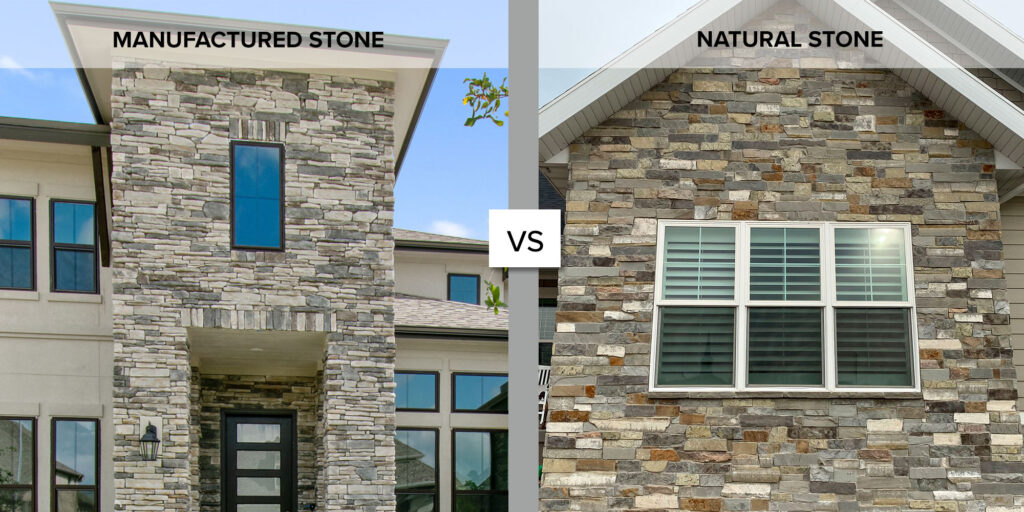
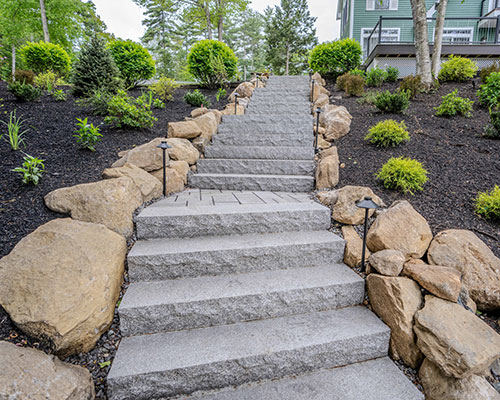
Natural stone is one of the most sought-after materials in hardscaping, prized for its durability, elegance, and versatility. From flagstone patios and granite steps to stone veneers and boulder walls, stone adds both function and high-end appeal to residential and commercial properties.

Benefits of working with natural stone include:

  • High perceived value among homeowners
  • Long-lasting, low-maintenance performance
  • Aesthetic flexibility to suit traditional, rustic, or modern designs
  • Increased project prestige, setting you apart from competitors using only manufactured materials
Manufactured Segmental Retaining Walls (SRWs) and Pavers

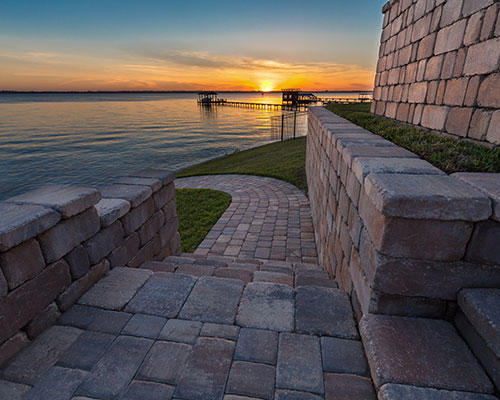
SRWs and pavers are essential building blocks for durable, visually appealing outdoor spaces. These versatile products offer both structural integrity and design flexibility, making them ideal for everything from functional retaining walls to stunning patios and walkways.

  • Durability – Made from high-quality concrete or composite materials, ensuring long-term structural integrity
  • Consistent Quality – Uniform size and strength make installation easier and reliable.
  • Design Versatility – Available in various styles, colors, and textures for aesthetic appeal.
  • Easy Installation – Modular systems often feature interlocking designs for quicker builds.
  • Eco-Friendly – SRWs deliver erosion control while permeable pavers support drainage and control runoff.

Getting Started

Adding hardscaping or stone installation services doesn’t require a complete overhaul of your business. Many successful contractors start by:

  • Training their crews in basic installation techniques (suppliers, vendors and industry associations provide educational opportunities)
  • Partnering with experienced subcontractors while building in-house capabilities
  • Sourcing high-quality materials from knowledgeable local suppliers
  • Adding design and quoting tools to streamline client communication

It’s also important to build a reliable network of trusted suppliers and consultants who can provide the right materials, guidance, and technical support as you grow.

Whether you’re a landscaper looking to expand your design capabilities or a builder aiming to deliver turnkey outdoor environments, hardscaping is a strategic move that can pay dividends for years to come. At Outdoor Living Supply, we’re here to help you succeed—with expert guidance, high-quality materials, and the support you need to grow your business. Find an OLS location near you and take the next step in building beautiful, profitable outdoor spaces.

Elevate Your Pool Space with Natural Stone and Porcelain

Elevate Your Pool Space with Natural Stone and Porcelain

When designing your dream pool and outdoor living space, the materials you choose make all the difference. Not only do they impact the overall look, but they also affect comfort, safety, and maintenance for years to come.

Two of the best options for pool decking? Natural stone and porcelain pavers. Both offer unique benefits that can transform your backyard into a beautiful, functional retreat.

Why Homeowners Love Natural Stone

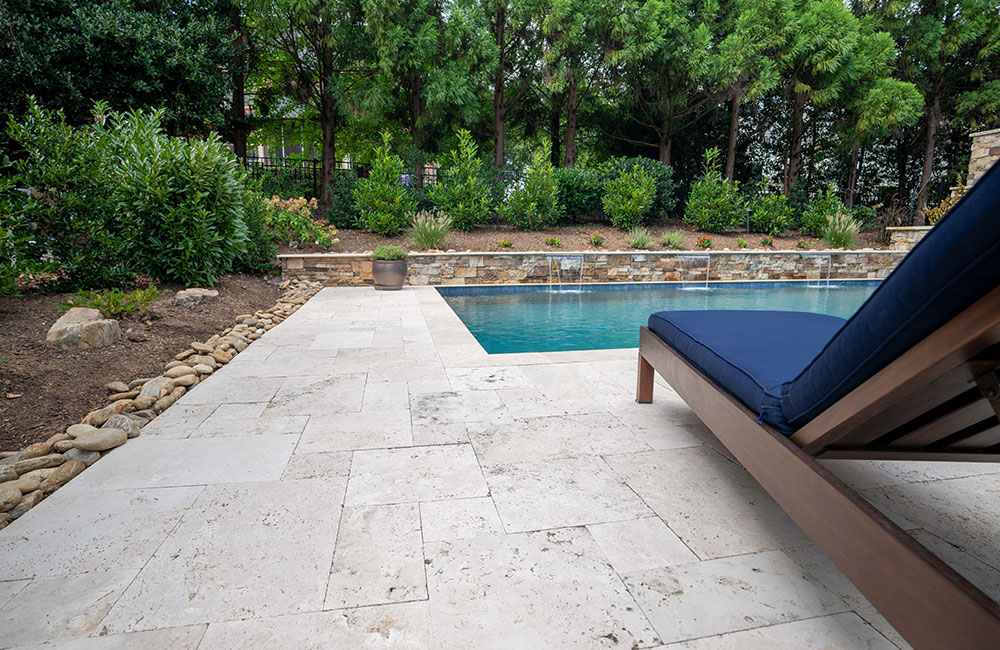
There’s a reason natural stone has stood the test of time. It’s elegant, timeless, and blends seamlessly with your landscape. Travertine, in particular, is a top choice around pools. Its soft, earthy tones create a warm, inviting space — and its natural porosity helps it stay cool underfoot, even on hot summer days.

One of travertine’s biggest advantages? Slip resistance. Around a pool, that’s a must. It not only looks great but adds a layer of safety, especially for kids and guests.

Other natural stones like limestone and sandstone offer similar beauty and performance — giving you plenty of design flexibility to match your home’s style.

Mirage_porcelain_beauty

The Modern Edge of Porcelain Pavers

For a sleek, modern look that’s built to last, porcelain pavers are hard to beat. They deliver the beauty of natural stone or wood with the bonus of low maintenance.

Porcelain is non-porous, so it resists stains, mold, and mildew — ideal for a pool area. It’s also incredibly durable, handling heavy foot traffic, weather, and chlorine exposure without breaking a sweat.

Plus, porcelain pavers stay cooler than traditional concrete or darker materials, so they’re comfortable to walk on even when the sun’s beating down. Stylish, strong, and low maintenance — what’s not to love?

Your Best Source for Pool Materials? Outdoor Living Supply

No matter which material you choose, Outdoor Living Supply has you covered. With locations across the country, we carry a premium selection of natural stone and porcelain pavers designed specifically for outdoor spaces like yours.

Our team knows outdoor living, and we’re here to help you find the perfect material to fit your style, budget, and backyard goals — whether that’s a resort-inspired pool deck or a simple refresh.

Ready to Start?

Visit your nearest Outdoor Living Supply location to explore our top-quality materials and expert guidance. The right materials make all the difference — and we’re here to help you create the perfect poolside retreat.

Find your closest location and let’s get started